URAHARA 90s CAMOUFLAGE AND BEYOND

Shift From Utility to Street Culture
During the 1960s and 70s camouflage became a part of mainstream popular fashion culture shifting from being perceived as purely a style of uniform earlier in the 20th century. It became a fashion statement within different subcultures and blended into a variety of trends and movements.
Andy Warhol - Transforming Camouflage Into Art
I believe a major turning point in symbology of camouflage was partly influenced by the artworks of Andy Warhol in the 80s - where the rhythm of the pattern became art. In a similar way to how Warhol found inspiration in the commercial world of advertising - he also saw beauty in the shapes, linework and and colors of something that was only perceived as useful in uniforms. Andy Warhol transformed what was perceived as a tactical pattern into self-portraits, vividly colored prints and iconic symbols.
Camouflage Transcends Fashion Time Periods
Another reason I think camouflage or 'Camo' as it is often referred to in street culture has become timeless within fashion - is because it just looks good. It also taps into a base desire to blend into one's surroundings and become a part of the street environment.

This is an artwork I have been working on while writing this story. In the process of writing, I became very interested in drawing this character, which seemed to express a unique emotional quality. I am working on other versions, so you might see her appear on other pages soon.
1960年代から70年代にかけて、カモフラージュ 「迷彩柄」は主流のストリートファッション文化の一部となり、 20世紀初頭には単なる制服のスタイルとして認識されていたものから変化を遂げました。 多くのサブカルチャーの中で独特のスタイルになれ、色んなムーブメントに取り入れらえていきました。 ポップカルチャーにおけるカモフラージュの大きな変化は、1980年代のアンディ・ウォーホルの影響によるものだと思います。 カモフラージュがアートへと昇華したのです。ウォーホルが広告という商業の世界からインスピレーションを得たのと同じように、 彼は制服という実用的なものにしか見なされていなかったものの中に、形、線、色といった美しさを見出したのです。アンディ・ウォーホルは、 戦術的なパターンと見なされていたものを、自画像と鮮やかな色彩の版画、そして美しい芸術作品へと変換させました。 ストリートファッションにおいてカモフラージュ柄が時代を超えて愛されるようになったもう一つの理由は、 単純に見た目が良いからだと思います。また、周囲の環境と街並みに溶け込むような感覚もあります。
90年代初頭、スケートボードの世界ではカモフラージュはそれほど人気がなかったです。 当時、スケートブランドは、世界がこれまで見たことのないようなカット、スタイル、カラーのジーンズとズボンを独自に生産しており、カモフラージュはこのムーブメントの一部ではなかったです。 しかし、90年代後半になると、カモフラージュ柄はストリートスケートスタイルの重要な要素となっていきました。XLサイズのカモフラージュ柄も、90年代のヒップホップ文化において大きな役割をはたしていた。
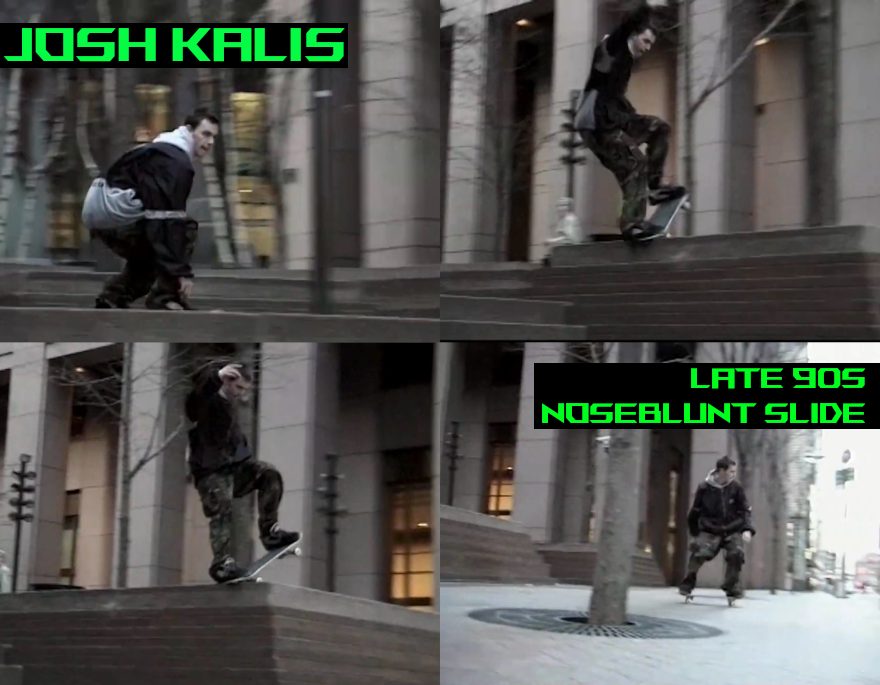
Recently I have been watching video footage of Josh Kalis. I like watching his skating, because to me it represents someone who believed in himself and had the courage to push his talents to maximum potential.
Late 90s Skateboarding Style
During the early 90s camouflage patterns were not that popular in skateboarding. Skateboarding was in stage of massive creativity - where many of the cutting-edge brands produced their own jeans and pants in cuts, styles and colors unlike the world had ever seen. Although during the late 90s, camo patterns started becoming a part of the basic vocabulary in Street Skating Style. Camouflage prints in XXL sizes were also a big part of Hip Hop culture in the 90s.
Josh Kalis & Harold Hunter
Recently while writing this story, I have been watching classic video footage of Josh Kalis and Harold Hunter (RIP). In the footage I have been watching from the late 90s, both skaters wore camouflage - mixing street styles together style that combined more than one fashion style. Cyber Techno Style Fashion was huge in the late 90s and some of that influence did flow into the skate scene through futuristic graphics and tech style set ups made by Droors and DC. I liked the style in that era of skateboarding because it combined a type of futuristic tech style with hard street aesthetics.
Camouflage Within Ura-Hara Culture
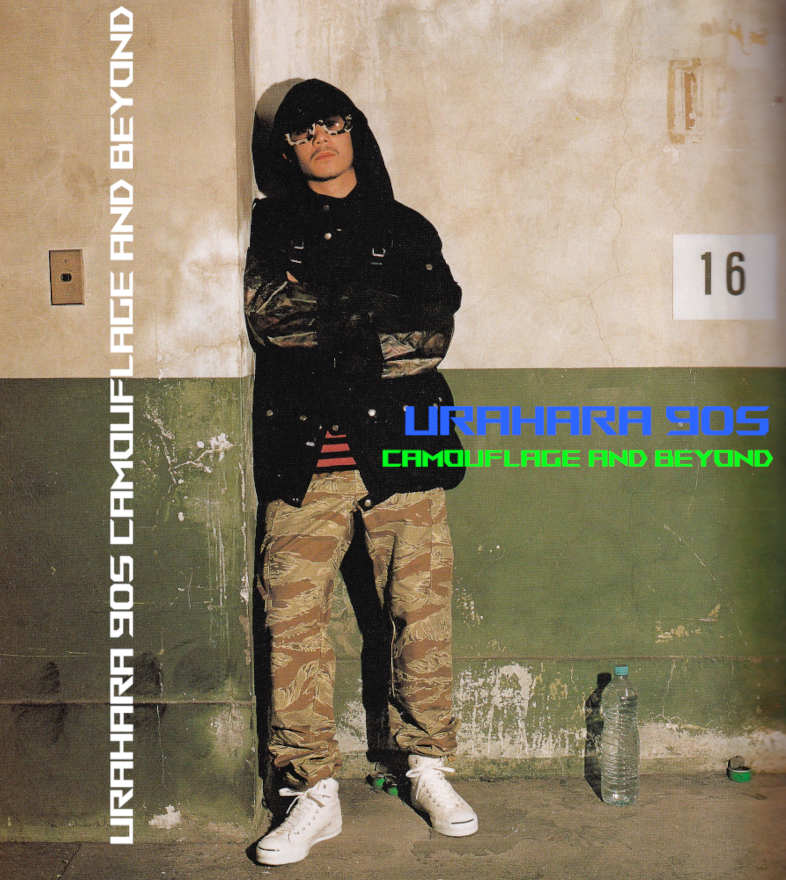
From early on in the development of Ura-Harajuku Culture, camouflage has always been one of the visual textures people used to express themselves. If you browse through the pages of old Fruits, Zipper and Boon Magazines you can see many colorful co-ordinates mixed with camouflage.
Second Hand Import Stores
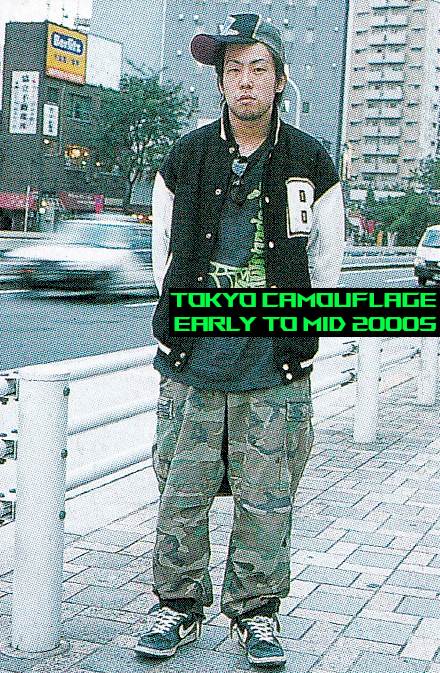
One reason for this was purely because it was easy to find. During the 90s and into the late 2000s, Takeshita Street and Meiji Dori were filled with second hand import stores that bought used fashion in bulk from the States.
最近、この記事を書いている間、ジョシュ・カリスとハロルド・ハンター(RIP)の往年のスケートビデオを観ていました。観ていた映像では、 二人のスケーターはカモフラージュ柄の服を着ていて、90年代後半によく見られた、 複数のスタイルを組み合わせたストリートスタイルをミックスしていました。サイバーテクノスタイルのファッションは90年代後半に非常に人気があり、 その影響の一部は、DROORSとDC SHOESが制作した将来的なグラフィックとテックスタイルのストリートウェアを通してスケートシーンにも及んだ。 あの時代のスケートボードのスタイルが好きだったのは、将来的なサイバー系とハードなストリートの美学が融合していたからです。
裏原宿文化の発展初期から、カモフラージュ柄は自己表現の手段として常に人気のあるスタイルひとつでありました。 懐かしいFRUITS、ZIPPER、BOON雑誌のページをめくってみると、カラフルなコーディネートとカモフラージュ柄が混ざり合ったデザインたくさん見られます。 その理由の一つは、単純に入手しやすかったです。1990年代から2000年代後半にかけて、竹下通りと明治通りには、アメリカから中古ファッションを大量に仕入れる輸入古着店がいっぱいありました。 90年代後半から2000年代初頭にかけてさえ、裏原宿で最も高級なブランドの一つでの購入は、今日では低価格とはみなされないです。 当時、日帰りで原宿を訪れた若者が、裏原宿のブランドの服を買うことに決めた場合、それは熟考を重ねた上での決断でした。なぜなら、服1着で簡単に数万円もかかってしまう可能性があり、それは当時の若者にとっては大金だったからだ。 対照的に、中古のカモフラージュ服は安くて、若者たちは他の買い物に使った小銭でズボン、スカート、ショートパンツ、トップスなどを簡単に購入することができました。

1990年代後半から2000年代初頭にかけて、裏原宿のブランドのいくつかは、カモフラージュ柄を独自のシグネチャーファブリックへと再デザインしました。 その中には、今日でも世界的に有名なデザインもあります。私は職場環境に身を置き、裏原宿の最も有名なカモフラージュ柄の一つをデザインした人たちと一緒の仕事をしていました。 私自身はデザインプロセスに直接関わっていませんでしたが、間違いなくそのデザインを生み出した人たちのそばにいました。 このカモフラージュデザインは裏原宿の枠をはるかに超え、今日にも至るまで世界で最も有名で象徴的なカモフラージュ柄デザインの一つとなっていました。 アンディ・ウォーホルの作品と同じように、そのデザインは時代を超越し、世界中で認知されるようになりました。 この経験を通して、流行とファッションの時代を超えて長く愛される、時代を超越したカモフラージュ柄をデザインすることがいかに難しいかを学びました。
Why Camouflage Was Practical on Harajuku Streets
Even in the late 90s and early 2000s, a purchase from one of Ura-Harajuku's most exclusive brands would not be considered low cost today. If a young person travelling to Harajuku for a day out made the decision to buy a piece from one of Ura-Harajuku's select brands - the purchase was made with a lot of thought and contemplation - because just one garment could easily go into the tens of thousands of yen (or hundreds of dollars) - which was a lot for young people at the time.
In contrast, second-hand camouflage was cheap and creative young people could easily buy camouflage pants, shorts, skirts or tops with loose change spent on other purchases.
My Experience in The Midst of One of The World's Most Famous Camouflage Design Processes
In the late 90s and early 2000s some of Ura Harajuku's top brands redesigned camouflage prints into their own signature fabrics - some of which are still world famous to this day. I was personally around the people who were involved in designing one of Harajuku's most famous camouflage designs. While I was not personally involved in the design process, I was most certainly around the people who created it. This camouflage design went far beyond Ura-Harajuku - becoming one of the most famous and iconic camouflage designs in the world still to this day. Similar to the work of Andy Warhol - the design became a timeless symbol recognizable all over the world.
Through this experience, I learned how hard it is to design a timeless camouflage pattern that lasts beyond trends and fashion periods.
カモフラージュ柄とタクティカル・スタイルのストリートウェアを巧みに作り出している最高のブランドの一つが、 WTAPSです。90年代後半から2000年代にかけて、WTAPSは日本中で絶大な人気を博しました。入手困難でありながら、最先端かつ実用的なスタイルを兼ね備えているという評判は、 まさにストリートシーンにうってつけのものでした。現在に至るまで、裏原を象徴する存在として、世界中でその名を馳せています。 その服がこれほど成功した理由の一つは、WTAPSの創設者である西山徹が、テクニカル・ドローイング(日本語で製図か設計図)において卓越した才能を持っていたことにあると思います。
この記事は、色なイメージ、アイデアとトピックを一つに混ぜ合わせたもののように見えるかもしれません... 実際、まさにその通りだからです。最近、昔の懐かしい写真を見返しています。 それは多くの楽しい思い出を呼び起こし、ストリートカルチャーにおける共通のテーマ、すなわち90年代から2000年代にかけての「カモフラージュ」に気づかせてくれました。 とはいえ、このストーリーをつなぐテーマよりも必要なのは... 当時の時代における個人的な経験だと、私は思います。
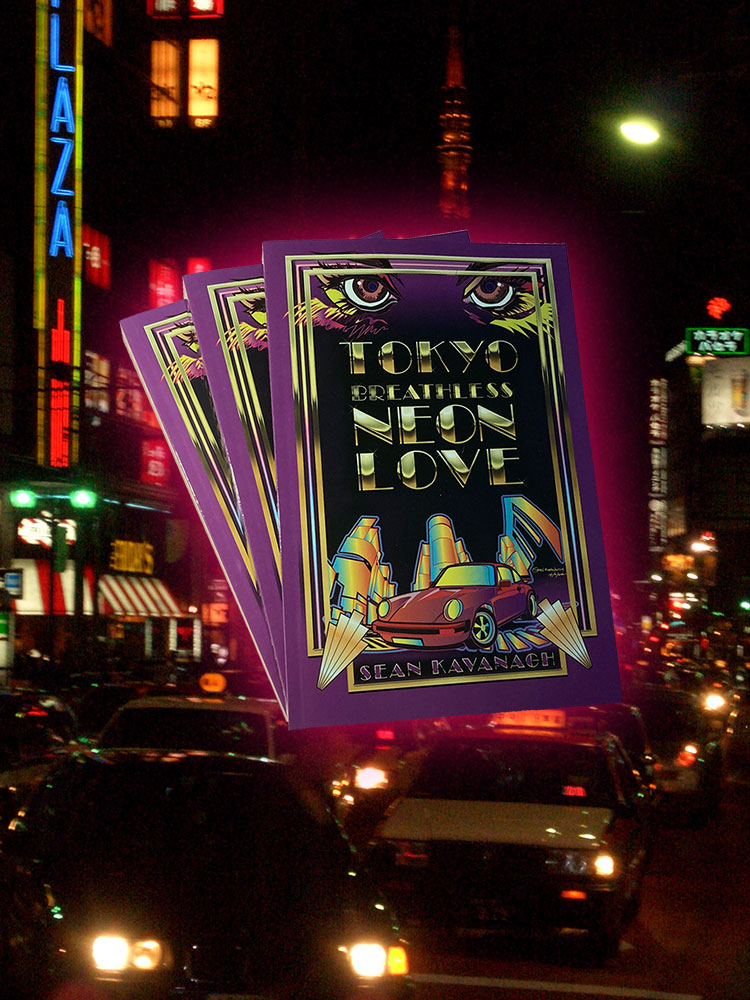
多くの人たちが極めて高い創造性と革新性に満ちた時代だったと捉えているその真っ只中で、スケートボード、裏原宿、90年代のストリートカルチャー、 そして東京のファッションを体験できたことは、私にとって幸運なことでした。 あの時代が今より優れていたというわけではありませんが、私たちが今日生きているこの世界とは、間違いなく異なっていました。 それらの記憶は、多くの人にとって遠いもの、あるいは記録に残ることなく忘れ去られたもののように思えるかもしれません。 しかし、それは生き続けていますーー私の心の中で、このページを読んでいるあなたを通して、そして「TOKYO BREATHLESS NEON LOVE」の中で。

The Iconic Tactical Style of WTAPS
One of the best labels to successfully create camouflage and tactical style streetwear is WTAPS. In the late 90s and into the 2000s, the brand was huge throughout Japan - with a reputation for being both hard to find and cutting-edge utilitarian - perfect for the streets. The brand is still one of Ura-Hara's most iconic all over the world - to the present day.
Why WTAPS Stands Out From Other Tactical Streetwear
I think one reason the clothes were so successful was - Tetsu Nishiyama the founder of WTAPs - had a remarkable talent for technical drawing. This ability to draw, render and visually explain fine details can be seen in the garments, that while on the surface look like stylish tactical gear - are extremely detailed with complex stitching, making the garments advanced far beyond the time period they were created.
Direct Experience is More Important than Studying The Past
This story may seem like a mix of different images, ideas and topics blended into one - that is because it most definitely is. Recently, while searching for inspiration I found myself looking at nostalgic photographs from the past. It brought back many happy memories and I found a common theme in street culture - Camouflage in the 90s and 2000s. Although, I believe what is more important than the theme that links this story is... My Experience.
The 90s and 2000s - A Golden Age of Street Style Hyper-Creativity
I have been lucky to experience Skateboarding, Ura-Harajuku, 90s Street Culture and Tokyo Fashion right in the midst of what many people believe were in a 'Golden Age' of hyper-creativity and innovation. It is not that those times were better than now, but they were certainly different - to the world we live in today. While those memories may seem distant, never recorded or forgotten to many - they live on... In my heart... Through you the person reading this page... and in Tokyo Breathless Neon Love.
TOKYO BREATHLESS NEON LOVE
By Sean Kavanagh
Not Everyone Will Get a Copy of TOKYO BREATHLESS NEON LOVE
This novel is not printed in large numbers. It is not available in bookstores. It cannot be purchased on any major online book retail outlet. It is unknown to your favorite influencers and unknown on social media channels.
It exists on the outer fringes of the publishing world. It is multi-layered, multi-faceted and filled with metaphor.
Those that explore its pages are guided into a realm far beyond the scope of the main subject matter - Tokyo and Japan.
Real wisdom is not easy to find. It is elusive finding those destined for deeper insights into the mysteries of the world. It cannot be grasped or found upon demand. It appears as an opportunity within the present moment.
While every effort may be made to spread the message of this book throughout the world - there is no absolute certainty that the opportunity to acquire this novel will be here in the future.
If you are reading this now, it may not be a coincidence - it is perhaps meant to be.
While the opportunity to get TOKYO BREATHLESS NEON LOVE exists in the present moment... One cannot expect that opportunity be here forever... For it may not be here when you return.